Gluten-Free Brewing Grains Overview
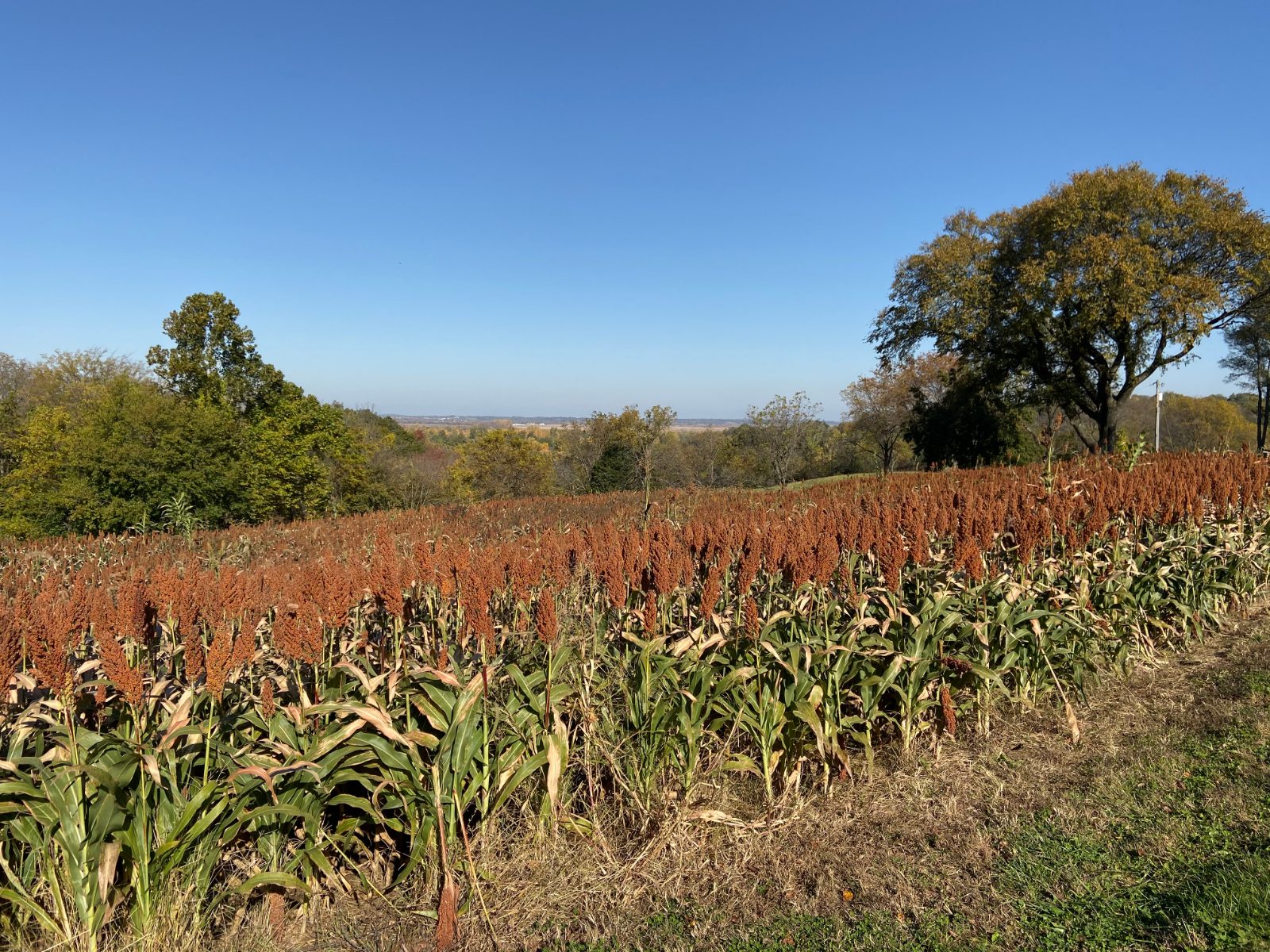
Barley brewing gets to lean on one highly developed grain system. Gluten-free brewing does not.
That changes everything. Grain choice is not cosmetic. It shapes flavor, body, starch behavior, lautering, extract potential, supplier risk, QA burden, and whether the beer has a real foundation.
A brewer can make alcohol from a lot of things. That is not the same as making beer. Gluten-free brewing starts to work when each grain is judged on its own terms, not forced into a barley job it cannot perform.
The useful question is not “which grain is best?” It is:
What job does this beer need filled, and which grain can prove it belongs there?
Three Ways Into The Section
The opening pages answer different questions.
| Need | Start here |
|---|---|
| Understand the grain doctrine and find the right part of the section | This overview |
| Run a fast assumption and failure-risk check before choosing or scaling a grain | Key Differences and Rules |
| Compare sorghum, millet, rice, corn, and buckwheat side by side | Comparing Gluten-Free Brewing Grains |
The first page is the map. The second is the checklist. The third is the comparison tool.
The Grain Decision Sequence
Use this order instead of starting with recipe percentages:
- Define the job: extract, malt character, body, color, foam, process support, or product identity.
- Name the exact material and form: whole grain, malt, flour, flakes, grits, syrup, extract, roasted grain, or another processed form.
- Prove the source, gluten-free handling path, lot identity, storage history, and change controls.
- Design starch access, conversion, milling, runoff, fermentation support, and sensory expectations around the material.
- Test the actual lot in the intended process before production scale.
- Judge the finished beer and keep the result tied to the lot and batch record.
A grain name without form, source, lot, and process is not enough information to make a serious brewing decision.
Grains Are Not Substitutes
Sorghum, millet, rice, corn, buckwheat, and oats do not behave like barley. They also do not behave like each other.
Sorghum can be an anchor grain, a malt, an extract, and a serious brewing platform. Millet can be a useful malt path and flavor contributor. Rice can provide clean fermentables and lightness. Corn can be a practical adjunct or process tool. Buckwheat can bring intensity and grain character. Oats have conventional brewing value, but they sit outside the preferred Gluten Free Brewer standard.
Those are different jobs. Treating them as interchangeable “gluten-free grains” is how brewers end up with thin beer, stuck runoff, rough flavor, missing body, weak foam, or claims they cannot explain.
The grain should solve a real brewing problem. If it is only there because the recipe needed another gluten-free name, it is probably not doing enough.
How To Judge A Grain
| Criterion | Practical question |
|---|---|
| Flavor contribution | Does the grain add useful character, stay quiet on purpose, or create a flavor problem? |
| Starch behavior | Does the process actually make the starch available for conversion? |
| Malt potential | Can the grain be malted into something worth brewing with, or is “malt” only a product name? |
| Extract potential | Can it provide reliable fermentables without hiding too many upstream decisions? |
| Body and mouthfeel | Does it help the beer feel complete, or leave the glass thin and hollow? |
| Lautering and process behavior | Does the grist move, hydrate, separate, and run off without punishing the brewer? |
| Supplier reliability | Can the supplier deliver the same material with the same proof more than once? |
| Lot identity and traceability | Can the lot be connected from source to storage, malt, mash, and finished beer? |
| Gluten-free risk profile | Is the handling path clean enough to support the claim before brewing starts? |
| Real brewing purpose | Does the grain make this beer better, or is it label decoration? |
External enzymes can be part of the answer. They are not a magic eraser. They help conversion; they do not create malt character, supplier proof, body, foam, or good flavor by themselves.
The Grain Map
| Grain or area | Best role | Watch-out | Start here |
|---|---|---|---|
| Sorghum | Anchor grain for this framework; useful as malt, extract, grain, and brewing identity | Cultivar, lot, malt quality, enzymes, and process still decide the beer | Sorghum Overview |
| Millet | Useful malt path, specialty-malt direction, and grain character alongside sorghum | Distinctive or tangy character, small kernels, flour load, and runoff | Millet Overview |
| Rice | Lightness, clean fermentables, adjunct design, and starch/process control | Neutral can become empty; raw, flaked, malted, and syrup forms are different materials | Rice Overview |
| Corn | Practical fermentable source, adjunct tool, and process contributor | Form, oil and germ, sweetness, gelatinization, and thinness matter | Corn Overview |
| Buckwheat | Character grain for nutty, toasted, earthy, rustic depth | Needs restraint and purpose; too much can become heavy or muddy | Buckwheat Overview |
| Oats | Excluded from the preferred GFB truly gluten-free path | Field and handling cross-contact plus avenin ambiguity create a gray zone this standard does not accept | Oats Overview |
| Sourcing | Supplier qualification, material identity, lot proof, and change control before purchase | A good recipe cannot rescue a vague lot or weak handling path | Grain Sourcing Overview |
| Storage | Moisture, heat, pests, mold risk, age, transport, segregation, and custody | Damage often appears later as malt, mash, flavor, or trust problems | Grain Storage Overview |
Sorghum Is The Anchor, Not The Excuse
Sorghum gets special treatment here because it earned it — at Bard's it's all we brewed with, because in our evaluation it was the best fit for the beer we made. Millet took second, and second didn't get brewed. Sorghum is king.
It matters because it has real brewing history, Bard’s history, malt potential, extract potential, agricultural scale, and practical production value. Malted sorghum showed that truly gluten-free beer could have a malt foundation instead of leaning only on sugars and cleanup stories. Sorghum extract helped production become practical when the category badly needed workable fermentables.
Both forms matter. Malt gives the brewer more grain and process control. Extract can simplify gravity and production. Neither one should be trusted blindly.
Sorghum is the primary benchmark in this framework, but it is not an excuse to stop thinking. A bad sorghum lot can make bad beer. Poorly malted sorghum can punish the mash. Weak extract can flatten the beer. A recipe that expects sorghum to behave like barley is already pointed in the wrong direction.
The right question is specific: which sorghum, in which form, from which supplier, with which lot record, under which mash and enzyme strategy, for which beer?
That is why sorghum belongs at the center without becoming sorghum worship. The finished beer still gets the final vote.
Oats Are Different Here
Oats have real value in conventional brewing. They can add body, softness, haze, and texture.
They are still excluded from the preferred Gluten Free Brewer truly gluten-free path.
The reason is not that every oat-containing product is illegal or automatically unsafe. The reason is that oats bring too much ambiguity: field and handling cross-contact, supplier caveats, legal nuance, malt-house questions, and individual avenin tolerance. This site is built around a cleaner line.
If there is doubt, it is out.
Read Oats Overview for the full position.
Source And Lot Control
The ingredient decision does not end when a grain is selected.
- Supplier Qualification decides whether a supplier, facility, handling path, and product deserve approval.
- Identity Preservation keeps the physical material knowable through transfers, splits, storage, processing, and delivery.
- Lot Identity and Traceability connects the records from source through malt and finished beer.
- Grain Storage Overview covers the conditions that can damage or compromise a lot before brewing.
Do not pretend ingredient quality begins at the mash tun.
Practical Takeaway
The grain decision is not a romance story. It is a brewing decision.
A good gluten-free grain earns its place by what it contributes, what it avoids, what it lets the brewer control, and whether the finished beer is better because it was used.
Pick the grain for a real job. Prove the source and lot. Respect the process. Then let the beer tell the truth.